Mastering Multi-Branch HR: Best Practices for 2026
Discover effective strategies for managing multi-branch employee attendance, onboarding, and retention in 2026. Start optimizing with TrueHRIS today!

Managing a multi-branch workforce presents unique challenges, especially when it comes to tracking employee attendance and ensuring consistent engagement across all locations. For MSMEs with 50-500 employees, the ability to streamline these processes is crucial for maintaining productivity and fostering a positive company culture.
Understanding the Challenges of Multi-Branch HR
In a multi-branch environment, HR leaders face various issues, including inconsistent attendance tracking, varied onboarding experiences, and diverse employee engagement levels. These challenges can lead to inefficiencies and decreased employee satisfaction. The key to overcoming these obstacles lies in implementing an effective HR management system.
Why Centralized HRMS is Essential
A centralized Human Resource Management System (HRMS), such as TrueHRIS, allows HR teams to manage employee data seamlessly across all branches. Here are the main advantages:
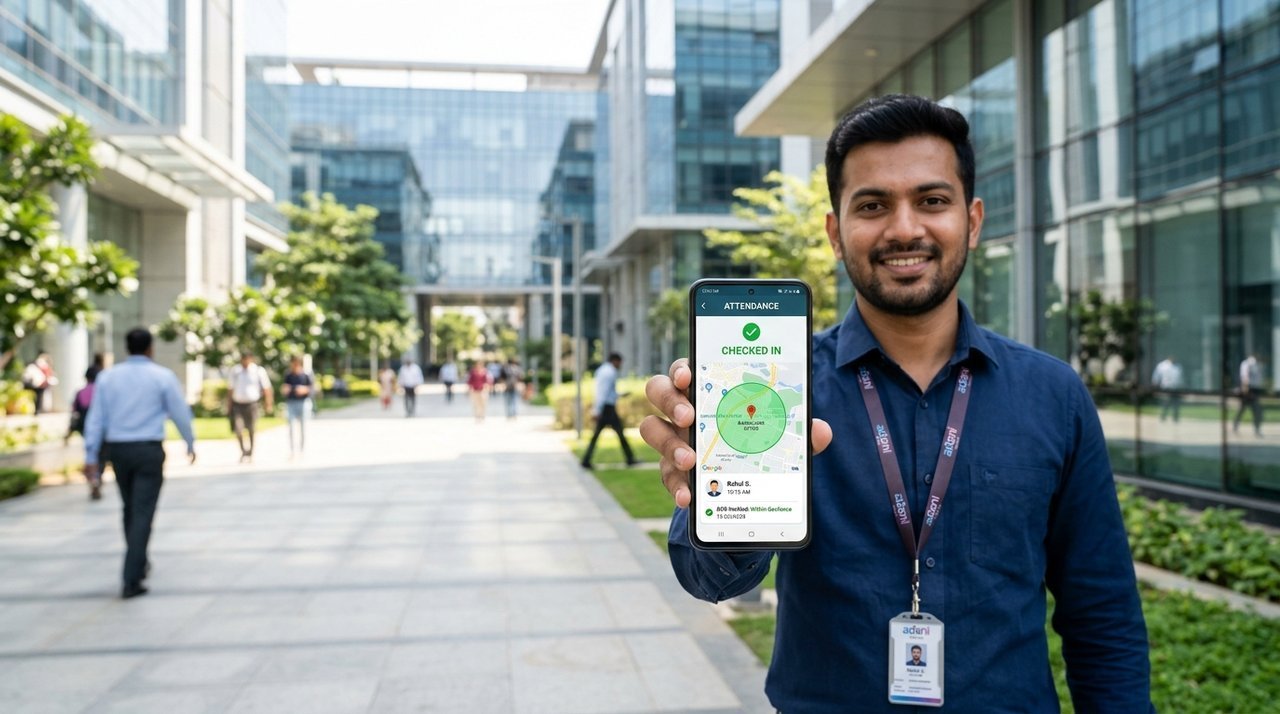
- Real-Time Attendance Tracking: Monitor attendance across branches effortlessly.
- Standardized Onboarding: Ensure every new hire receives the same onboarding experience.
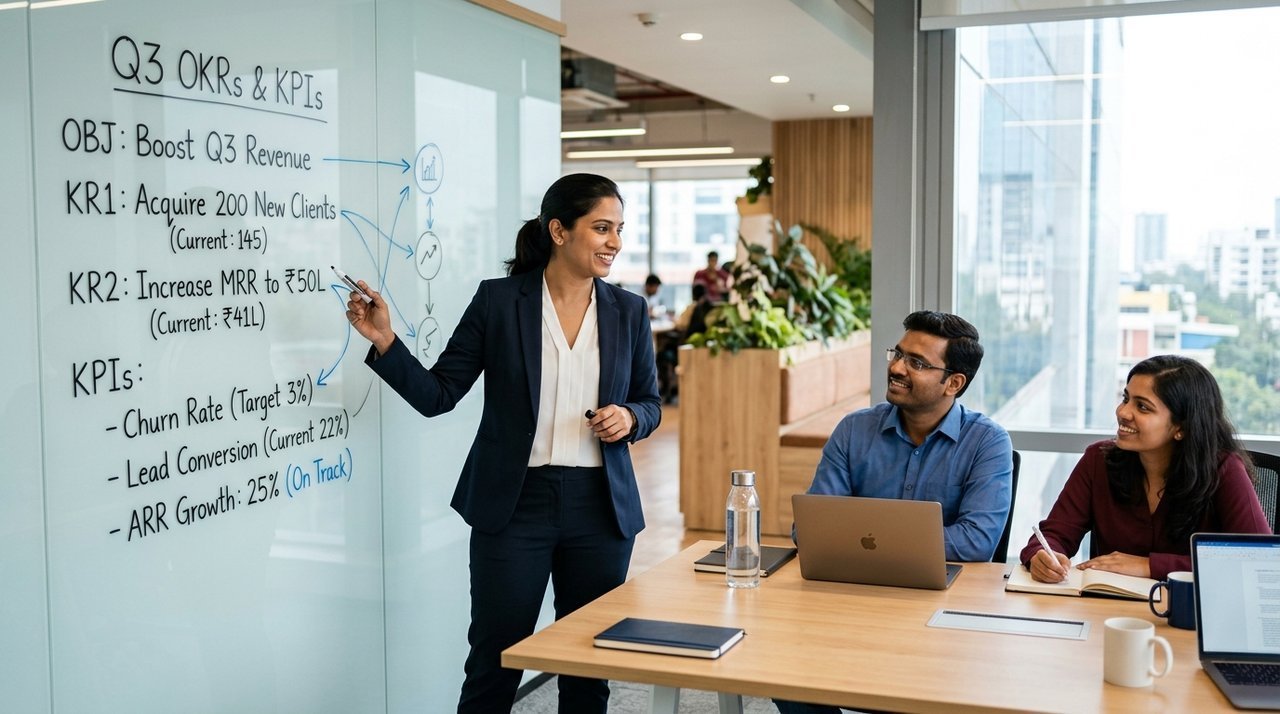
- Data-Driven Insights: Generate reports to analyze attendance patterns and employee engagement.
Digital Employee Onboarding Checklist
Effective onboarding is critical for employee retention. Implementing a robust digital onboarding checklist can help standardize the process across branches. Here’s a step-by-step framework:
- Pre-Onboarding: Send welcome emails with necessary documents and first-day instructions.
- Orientation: Schedule a virtual or in-person orientation session that outlines company culture and values.
- Training: Provide access to training materials relevant to their role.
- Feedback: Collect feedback after the onboarding process to identify areas for improvement.
Employee Retention Strategies for 2026
As we move towards 2026, retaining talent becomes increasingly important. Here are some effective strategies:
- Engagement Initiatives: Implement programs that encourage employee participation and feedback.
- Flexible Work Arrangements: Allow for hybrid work options to accommodate diverse needs.
- Career Development: Invest in training and development opportunities to enhance employee skills.
Leave Policy Best Practices
A well-structured leave policy is essential for maintaining employee satisfaction. Consider these best practices:
- Clarity: Ensure the leave policy is clear and accessible to all employees.
- Flexibility: Provide options for different types of leave, including sick leave and personal days.
- Encouragement: Encourage employees to take time off for their well-being.
Conclusion
Managing a multi-branch workforce effectively requires the right tools and strategies. By utilizing a comprehensive HRMS like TrueHRIS, you can streamline attendance tracking, improve onboarding processes, and implement effective retention strategies. Start your journey towards a more engaged and productive workforce by exploring a 30-day free trial today.
Frequently Asked Questions
What is the best way to manage employee attendance across multiple branches?
How can I improve employee onboarding in a multi-branch setup?
What are effective employee retention strategies for 2026?
Why is a good leave policy important for employee satisfaction?
How can TrueHRIS help with multi-branch HR challenges?
Still managing HR on Excel?
It's time for an upgrade. Automate, simplify and focus on what really matters — your people.